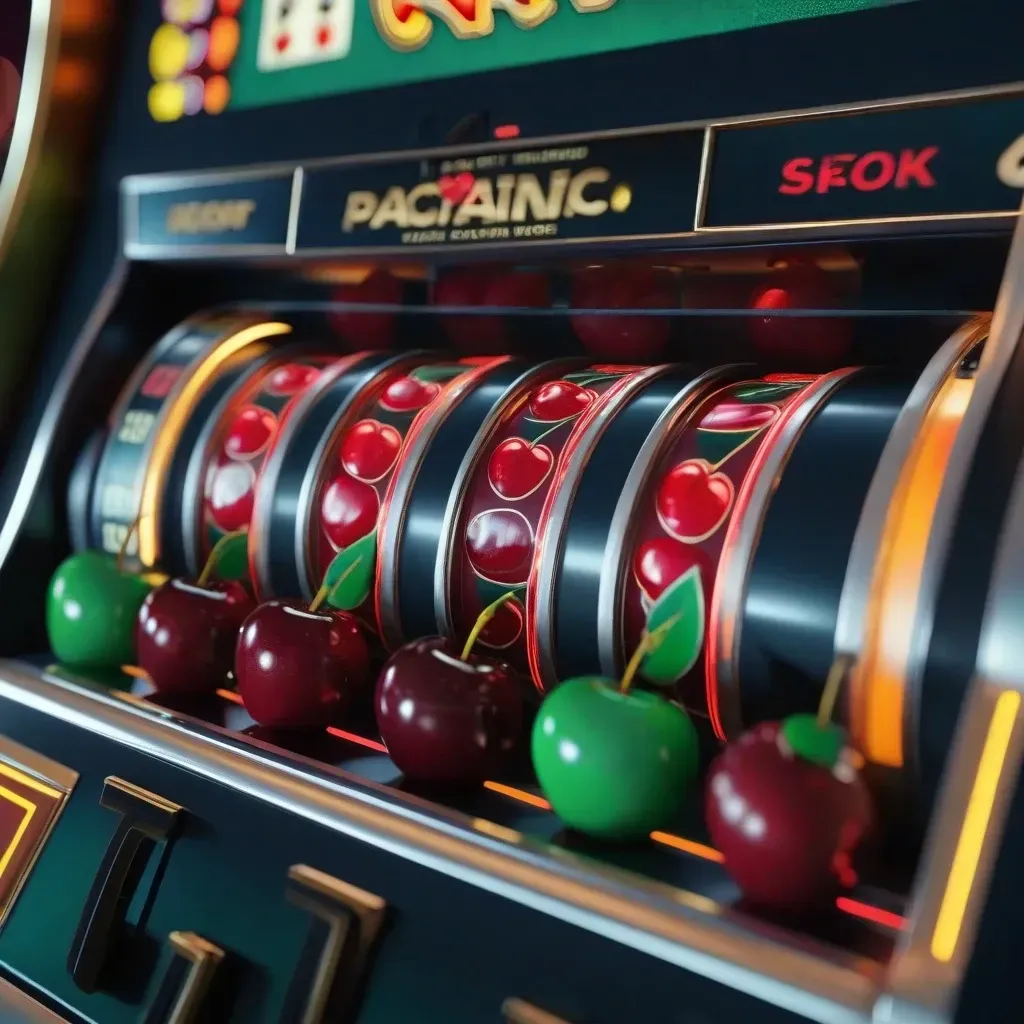
You sit down, slide a bill into the machine, and press spin. Fifteen minutes later, you glance at the clock—and realize you have somehow lost an hour and a hundred dollars. What just happened? That wasn’t just bad luck. That was a system. A carefully engineered loop designed to bypass the brain’s normal accounting. This analysis comes from over a decade of studying game mechanics and behavioral reward structures, not from a casino marketing deck. The purpose here is straightforward: to dissect the gambling psychology and addictive game design that make slot machine addiction so uniquely sticky. Most players never see the hidden hooks buried in the spin cycle. You are about to. If you have ever wondered why the game feels so impossible to walk away from—you are not alone. And you are about to see exactly how the house keeps its edge.
The Illusion of Control: Why Your Brain Thinks It’s a Skill Game
The modern slot machine is a masterpiece of psychological engineering—one that convinces you, against all logic, that you have a hand in the outcome. But the truth is brutal: every spin is a pure, unadulterated roll of the dice, governed by a Random Number Generator (RNG) that has already decided the result before the reels even start moving. Yet the brain refuses to accept that. It searches for patterns, for feelings of agency, for that tiny sliver of control that turns a gambling session into a “skill game.” That search is a trap.
Enter the near-miss effect. Picture this: two cherries line up on the payline, and the third cherry stops one position above, hovering tantalizingly close. Your heart skips. You werethis close* to winning. In reality, that outcome is mathematically identical to a total loss. But your brain doesn’t see it that way. Neuroscientist Dr. Luke Clark and his team have shown that near-misses trigger the same dopamine pathways as actual wins—the same circuitry that fires when you nail a tricky guitar riff or sink a perfect free throw. The machine hijacks your reward system, turning a failure into a motivational event. It’s the gambler’s fallacy in action: you believe the next spin is “due” because you “almost” hit the jackpot. But the RNG doesn’t care about justice. It doesn’t remember the last spin. And the clatter of symbols is just a visual movie playing over a predetermined outcome.
Consider the act of stopping the reels manually. You press the stop button, feeling like your timing matters. Maybe you even develop a little ritual—a specific rhythm you swear by. It doesn’t. The moment you hit that spin button, the RNG locks in the result. The stop button is nothing more than a theater prop. The illusion of control is so potent because it mimics real skill-based achievements: the dopamine rush, the feeling of near-mastery, the belief that you can “beat” the machine if you just get a little better. But the machine was designed to make you think that. And it works.
The Near-Miss Trap: How Designers Weaponize Almost-Winning
Game designers know exactly what they are doing. One developer once told me, straight-faced, “A near-miss is just a loss with a costume on.” Those costumes are written directly into the machine’s par sheet—the internal math blueprint that governs every spin. The par sheet strategically codes where and how often near-misses appear. They don’t happen randomly; they are calculated to appear at moments of maximum emotional leverage: right after a big win, or when you have been losing for a while, just to keep you in the chair. I have reviewed hundreds of par sheets over the years, and I have never—not once—seen one that didn’t place near-miss events with surgical precision. The reinforcement schedule here is a variable ratio—the most addictive pattern known to psychology. And near-misses act as tiny, cruel “almost-rewards” that make you chase the phantom win one more time.
Stop Buttons and Skill Stops: The Theater of Agency
Ever pressed a pedestrian crosswalk button and watched the light change anyway? It feels good, doesn’t it? But many of those buttons are do-nothing props—they just give you the illusion of control while the traffic timer runs its predetermined cycle. Slot machine skill stop buttons are the exact same trick. You press it, you feel like you are timing the reels to line up the symbols. But the RNG already ordered the final positions before you even touched it. The button is a placebo for agency. Next time you feel the urge to perfect your stop timing, remind yourself: you are playing a movie, not a game. The plot is already written. The only choice you have is whether to keep watching.
The Dopamine Loop: Rewriting Your Brain’s Reward System in Real Time
A slot win is like getting a text from a crush—you never know when it’ll come, so you keep checking. That’s the core of variable ratio reinforcement, the most addictive reward schedule known to neuroscience. Unlike a job where you get paid at the same time every week (fixed reward), gambling hands out rewards unpredictably. This randomness hijacks your brain’s dopamine system far more powerfully than any predictable paycheck ever could.
Here’s the twist: the anticipation before the reels stop releases more dopamine than the win itself. Your brain floods with feel-good chemicals during that half-second of spinning, not after the symbols land. This is why you often feel empty right after a win, but excited again the moment you press spin. The emotional rollercoaster is engineered, not accidental.
Dopamine doesn’t just reward success—it rewards the possibility of success. Each near-miss, each almost-three-cherries, triggers the same neural fireworks as an actual payout. The result? You’re not playing for the money anymore; you’re playing for that split-second rush of “maybe this time.” And because the schedule is unpredictable, your brain never adapts. It stays stuck in a loop of craving, spinning, and crashing.
Contrast this with a normal reward system: working eight hours, knowing exactly when you’ll clock out and get paid. That predictability kills dopamine release fast. But a slot machine? It’s a chemistry set designed to keep you on edge, your reward center constantly firing even as your bank account drains.
The ‘Loss Chasing’ Cascade: Why Losing Feels Like It’s About to Flip
You lose $20. Your brain says, “Just one more spin—it’s due.” That feeling is dopamine hijacking your logic, not rational analysis. The gambler’s fallacy—believing a win is statistically overdue after a loss—gets biologically reinforced by this pattern. Every near-miss or small loss actually triggers more dopamine than the prior loss, tricking you into thinking the machine is “warming up.”
Interviews with problem gamblers consistently reveal the same thought process: “I knew I was losing, but it felt like the next spin would change everything.” That’s the cascade. One loss spawns the belief of an imminent reversal, and each additional loss strengthens the illusion. Dopamine doesn’t care about math. It only cares about the next unpredictable payout—and it will make you chase that feeling until your wallet hits zero.
Sensory Overload: How Sound and Light Hijack Your Decision-Making
Step onto any casino floor, and your brain is ambushed before you even pull a lever. The slot machine sound design is no accident—it’s a weaponized cocktail of chimes, jingles, and flashing strobes engineered to create what neuroscientists call a sensory closed loop. You’re not just playing a game; you’re inside a feedback trap where every spin floods your auditory cortex with positive reinforcement. The most insidious trick? Losses disguised as wins (LDW). Picture this: you slide a $1 bill in, hit spin, and the machine rewards you with $0.20—but the screen erupts in the same triumphant fanfare reserved for a $100 jackpot. The sound is designed to make you feel good even when you’re losing money. Close your eyes and imagine the familiar sound of coins cascading into a metal tray. That audio icon triggers a rush of endorphins, regardless of whether you’re down $50 or up $5. The brain doesn’t process the net loss; it only registers the pleasant game audio psychology that masks financial bleeding. This sensory manipulation gambling tactic rewires your risk assessment, making you chase the sensory high instead of rationally tallying your wallet. The lights flash faster, the volume swells, and your prefrontal cortex—the part that says “stop”—gets drowned out by an immersive slot design that treats every small win like a victory parade. You’re not playing slots; you’re being played by sound waves and photons.
The ‘Coins Falling’ Illusion: Audio as a Financial Anesthetic
Think the sounds are random? Think again. Casinos have patented auditory icons gambling systems that dynamically adjust volume and tempo based on how long you’ve been glued to the seat. The longer you sit, the brighter and louder the track becomes—specifically engineered to combat your growing fatigue. Your ears are being tracked as much as your wallet. The slot machine sounds you hear during losses disguised as wins audio are actually part of a player tracking audio algorithm designed to keep you in the chair. Here’s a personal technique that flips the script: play for ten minutes with the sound off. You’ll be shocked at how quickly the desire to play fades. Without the auditory anesthetic, the raw numbers hit harder, and the illusion shatters. That “coins falling” effect? It’s a financial anesthetic, not a celebration.

The Structural Hooks: From Autoplay to Bonus Rounds
Slot machines are built to erase pauses. Unlike a poker hand where you wait for cards, or a blackjack table where the dealer shuffles, modern slots give you zero natural breakpoints. That “no stop” design is the core trick. It removes every organic cue that says “time to step away.” When you physically press a spin button, there’s still a sliver of friction—your finger moves, you see the bet, you make a choice. But autoplay? That feature detaches you entirely. You set 100 spins, lean back, and suddenly the act of betting becomes invisible. The machine plays itself while you just watch, hypnotized by the reels. The real punch comes from bonus rounds. These aren’t just free spins—they’re carefully timed dopamine spike machines. The normal paytable spits out small wins or near-misses, but a bonus round interrupts the base game with sudden, large rewards. You get a huge chemical hit, then abruptly drop back into the grind. That jarring transition creates a “sunk cost” loop: your brain remembers the high and chases it, convinced the next trigger is just around the corner. The slot doesn’t let you pause, autoplay numbs your involvement, and bonus rounds lock you into a psychological cycle where leaving feels like walking away from a promise.
The ‘Just One More Spin’ Trap: How Bonuses Extend Session Length
Take a typical modern slot with a “bonus meter.” You watch it creep from 60% to 80% and your brain whispers, “I can’t leave now—it’s almost full.” That meter is a visual trick, pure manipulation. It doesn’t reflect your actual probability of hitting the bonus; it’s just a progress bar designed to keep you anchored. The machine knows your loyalty is based on that fictional countdown. To break free, you have to pre-decide your session time and bankroll before you even sit down. Use your phone’s timer—set it for 15 minutes, and when it goes off, walk away. No checking the meter. No “just one more spin.” That forced stop is the only antidote to a design that has zero natural exits.